



- 18 February 2026
- 12 July 2023
Media
A Better Development Funding Model for Lebanon: Prospects, Challenges and Applicable Lessons: Middle East Institute
- 18 March 2024
Palestine
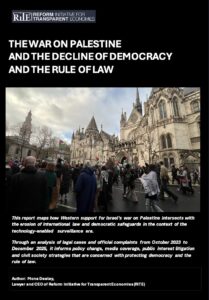
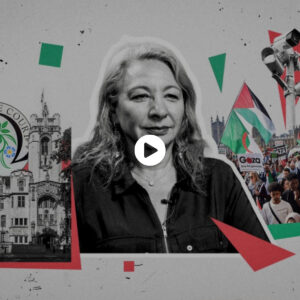
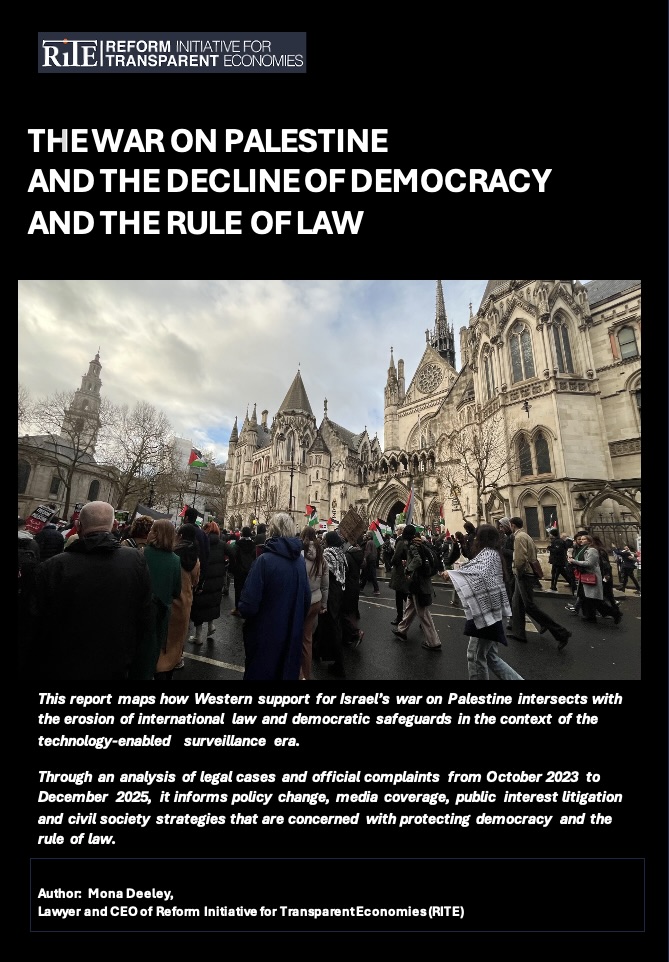
The War on Palestine and the Decline of Democracy and the Rule of Law
October 2023- December 2025
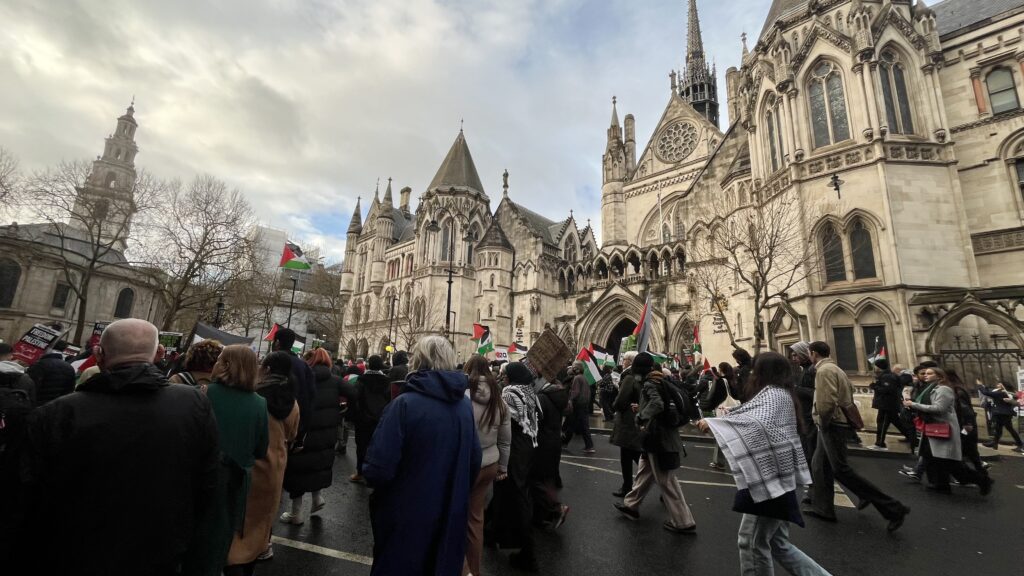
Through an analysis of legal cases and official complaints, this report maps the connections between Western support for Israel’s war on Palestine and the erosion of international law and democratic safeguards.
Published February 2026
About the Report
The Report evidences how core democratic and international law safeguards have accelerated since the start of the war on Gaza in October 2023 and how they might still be restored.
It weaves together legal actions and credible investigations that highlight governance failures that need to be addressed as part of a single ecosystem. The Report focuses on the US, UK, Germany and the EU because special responsibility falls upon them as Israel’s key arms, trade and diplomatic partners.
Instead of fulfilling their legal duties under two 2024 International Court of Justice Opinions that triggered their obligations to prevent genocide in Gaza and bring Israel’s unlawful occupation of the Palestinian territories to an end, they have intensified trade and diplomatic support to Israel while refraining from imposing effective sanctions
that would prevent genocide and help end occupation. They have provided
military support based on risk assessments that seem to rubber stamp political
decisions rather than inform them and have attacked or undermined international
institutions that are seeking the application of international law.
These external policies have been accompanied by a contraction of democratic
safeguards domestically. Litigation in the US, UK and Germany reveals patterns
of discrimination, suppression of speech and protest, and the use of counterterrorism
and immigration powers beyond their proper scope. Companies operating within
these jurisdictions have engaged in unlawful trade with settlements and the
Israeli military; technology firms have run high-risk surveillance systems
linked both to alleged violations in Palestine and to weakened privacy
protections at home; major universities and media organisations have adopted
standards that marginalise international law and human rights; and corporate
influence has constrained governments’ capacity to act in the public interest.
The cases show both the limits of litigation as a tool of systemic
change and its essential role in exposing accountability gaps and democratic
risk. It offers practical recommendations for policymakers,
media organisations, lawyers and civil society aimed at restoring the primacy
of human rights and the rule of law – conditions necessary for democratic
resilience and the functioning of a collaborative international order.
Lebanon
RITE seeks for international funding of public projects in Lebanon and elsewhere to reach the people that they intend to help while protecting their budgets and reputations. It does this by independently monitoring projects to determine if they are achieving their objectives and providing recommendations on how they can be improved.
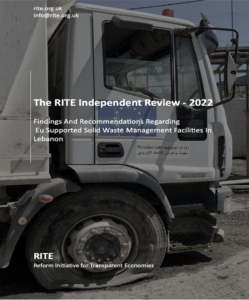
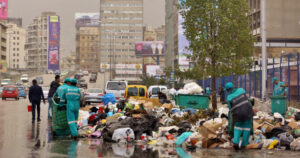
In 2022, RITE exposed weak donor development funding processes that enable wastage and corruption, and that are hidden behind a lack of transparency. It did this by investigating failures in donor management of development projects, focusing on sixteen EU-supported environmental waste management facilities in Lebanon. RITE’s findings led to impactful recommendations for donor risk mitigation measures that were adopted by the EU Parliament and informed the work of World Bank and UN teams in Lebanon.
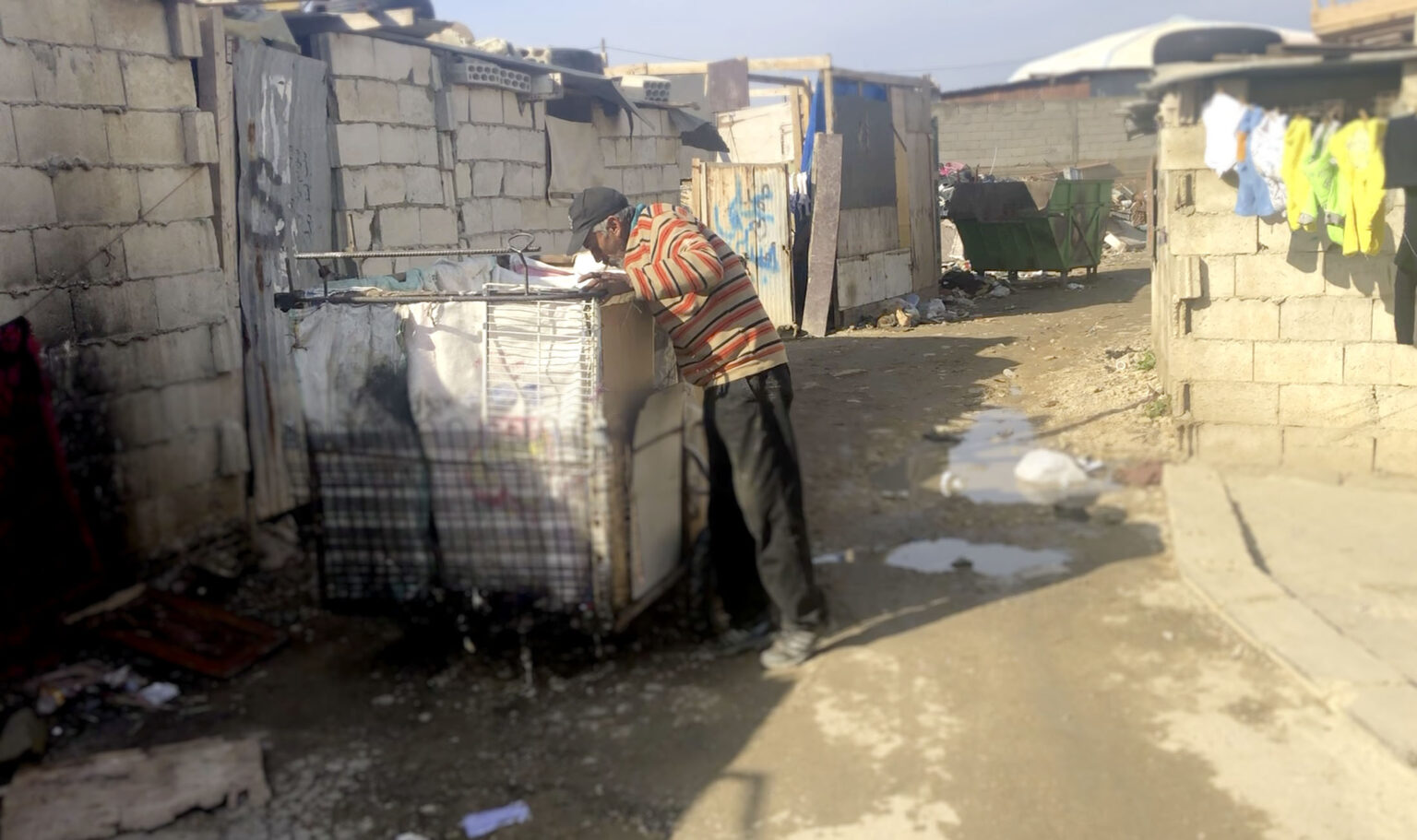
Risk mitigation measures need to be implemented because, despite substantial international funding, the most basic needs of Lebanese citizens and the refugee communities that they host are not being met. There is limited access to electricity, water, sanitation, education, and health provision. This situation makes the economic development of the country impossible to achieve. Furthermore, the international community has lost confidence due to their funds being mismanaged and misspent. As a result, much needed funding is being withheld, pending reforms that are long overdue. RITE seeks to help resolve this impasse by identifying ways in which funders can achieve real change through the projects that they support.
Our work contributes to setting Lebanon on the road to better governance and greater prosperity. This is existential to all Lebanese, whatever their political and religious affiliations and income brackets. The stability of the country is also a matter of global importance, considering its geo-strategic significance. There are many other reasons for international concern. They include environmental worries over air and sea pollution around the Mediterranean; the continued crisis around the plight of Syrian refugees that make up 30% of the population; the protection of institutional budgets; and the safeguarding against reputational risks.
What We Do
RITE provides fact-based reports and recommendations for governance reforms that protect international development aims abroad and democratic accountability mechanisms at home. Its reports inform policy decisions, public interest litigation, media reporting and civil society strategy.
Who We Are
RITE is a UK-based, not for profit, and non-partisan organisation founded in 2021. It is committed to advancing good governance and human rights in the MENA region while reinforcing democratic safeguards in the West. Its approach reflects the interconnectedness of human rights, and the fact that governance in MENA countries is affected by both internal factors and the policies and actions of Western governments and corporations.
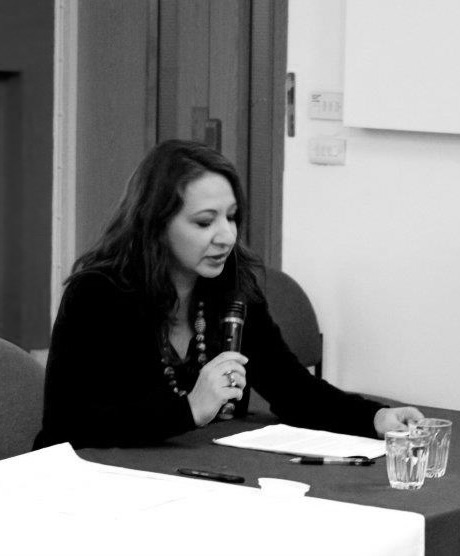
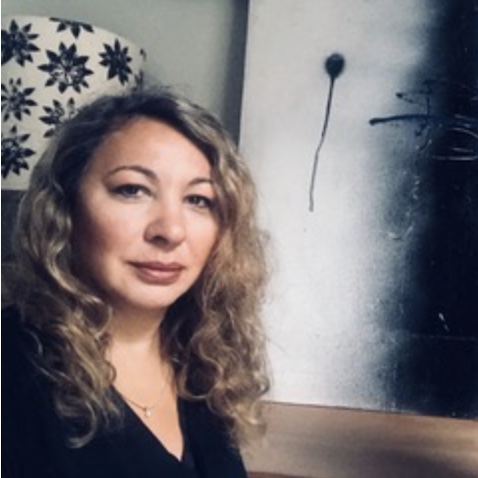
Mona Tayara Deeley
Managing Director
Mona brings to RITE a combination of legal and media experience, having worked as a lawyer for 14 years and TV producer for 7 years. She previously founded and ran a philanthropic organisation, Zenith Foundation, promoting Anglo-Arab intercultural dialogue over 10 years.
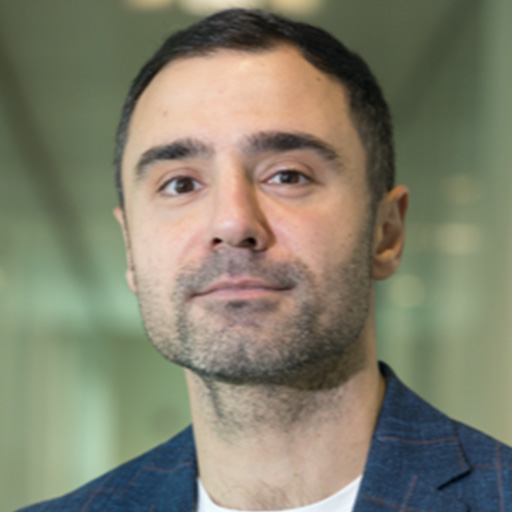
Bilal Khalifeh
Non-Executive Director
Bilal is a Lebanese entrepreneur focusing on international digital engagement and tech having built and run successful companies in the Middle East and U.K. He has championed the rule of law including establishing in a test case in the UK courts that the UK has jurisdiction in relation to the freezing of assets of depositors by Lebanese banks. This decision was hailed as a victory for other Lebanese depositors that are in a similar situation. He holds a BA from the Lebanese American University, an MBA from the University of Liverpool, and has undertaken further studies in venture finance and management at Oxford University and Harvard Business School.

Antoun Issa
Non-Executive Director
Antoun is a journalist with expertise in Middle Eastern affairs. He is off-platform editor for Guardian Australia and is a non-resident fellow at the Middle East Institute. Prior to that, he worked as senior editorial manager for The Atlantic's consulting arm, Atlantic 57, in Washington DC, and spent three years in Beirut as news editor for Al-Monitor.

Youmna Fawaz
Lead Researcher in Lebanon, 2022 Reviews
Youmna is a journalist that covered key events and issues in the Middle East over a decade and championed women’s and civil rights. The documentaries and reports that she has produced and directed include Children of Marijuana (2017, Al Jazeera TV), the warring factions in Iraq since 2014, The Syrian revolution since 2012, Women In Conflict/Iraqi women (for Global Women Institute), investigations and news coverage of events in Lebanon since 2007, the Yemeni revolution (2012-2014) for Al-Jazeera TV, and presidential elections in Egypt and the United States. She has been involved in the planning and launch of media campaigns on civil rights and reforms, and in advising governmental institutions. In 2021, she joined Lebanese channel MTV as the Head of their Investigation Department. She also runs her own production company U Production & Consulting.
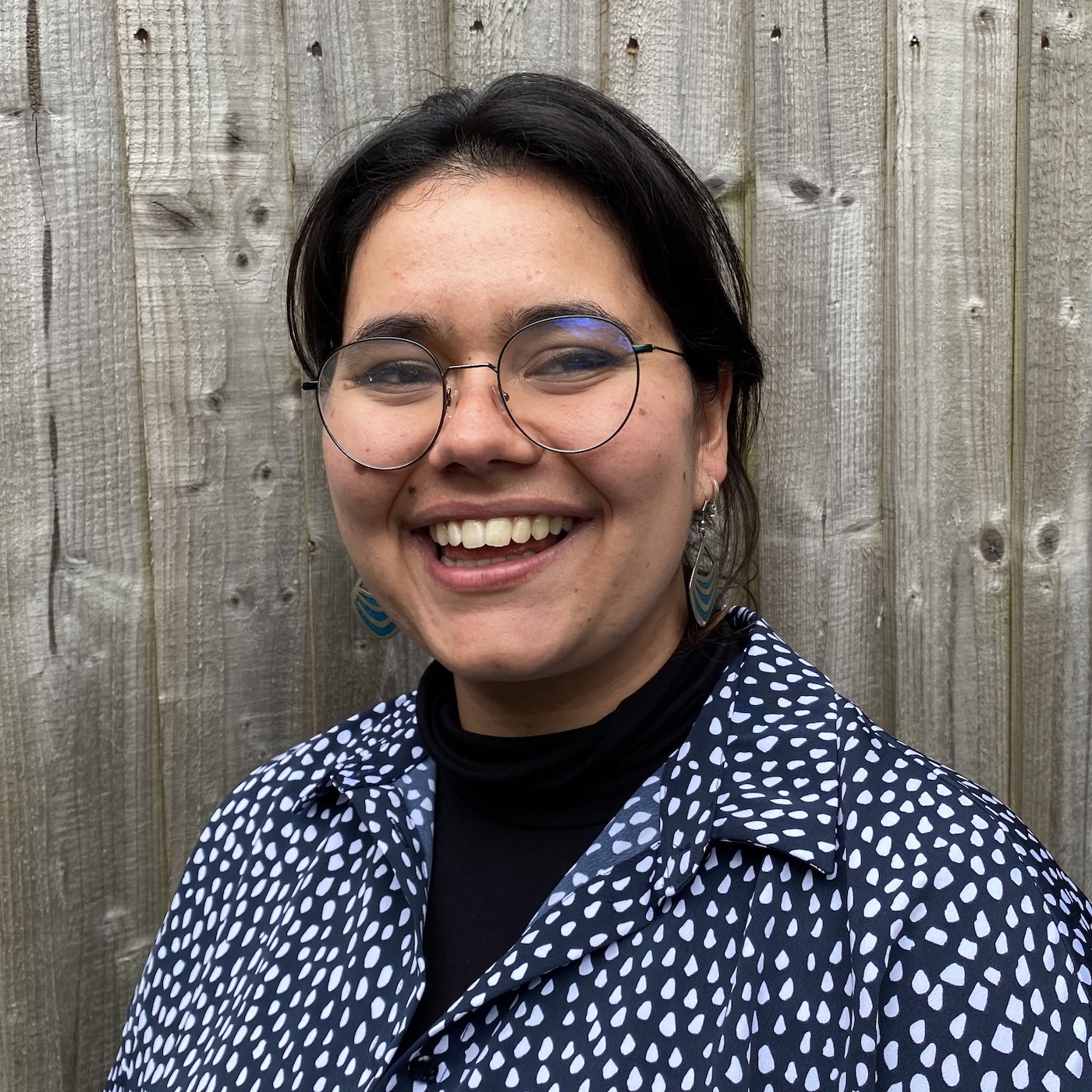
Julie Ramambason
Researcher, Lebanon 2022
Julie has worked in UK public sector research, evaluating projects and policies that span policing, charities, education, gender, disability, and immigration. She worked in different roles and organisations over two years, gaining experience in qualitative and quantitative research and evaluations, as well as in information governance and fundraising. She combines her work at RITE with pursuing a masters at London School of Economics in International Social and Public Policy (Development). She is a Cambridge graduate in Asian and Middle Eastern Studies and has a higher education certificate from Goldsmiths University in Computer Science. She is multilingual in English, French, Arabic, Persian, German and Spanish.

Funding
RITE launched in August 2021 with funding from the Open Society Foundations and the support of other key partners such as International Media Support’s Media Bridge Programme (Denmark), The Good Lobby (Brussels), and a host of Lebanese and Diaspora civil society organisations. RITE has been operating on a voluntary basis since 2022.